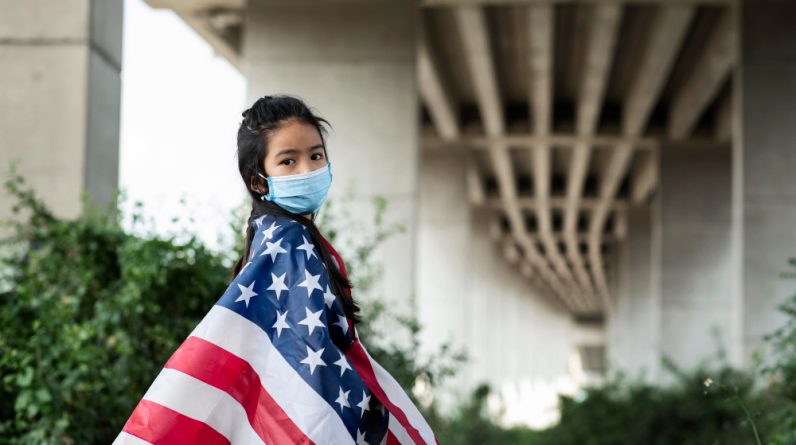
Preventive health education is often hailed as a key strategy in combating the health crises facing America. From rising rates of chronic illnesses to preventable diseases, the idea of educating the public about healthy choices seems like a silver bullet. But the question remains: Is preventive health education sufficient to tackle these challenges, or does America need a more robust, multifaceted approach? Let’s explore this in depth.
Understanding Preventive Health Education
What is Preventive Health Education?
Preventive health education refers to organized efforts to teach individuals and communities how to avoid diseases, maintain their health, and improve their quality of life. This often involves providing information about healthy eating, regular physical activity, mental health management, and the importance of regular medical checkups. The ultimate goal is to empower people to take proactive steps to maintain their well-being.
Core Principles of Preventive Health Education
Risk Reduction
Preventive health education focuses on minimizing exposure to risks that lead to health problems. For instance, smoking cessation campaigns aim to reduce the likelihood of lung cancer, while heart health initiatives target high cholesterol and blood pressure.
Lifestyle Changes
Education programs emphasize sustainable lifestyle changes rather than temporary fixes. This includes teaching people how to make healthier dietary choices, incorporate exercise into daily routines, and prioritize mental wellness.
The Role of Preventive Health Education in America
Promoting Healthy Lifestyles
Healthy lifestyles are the foundation of preventive health education. Programs across the country work to raise awareness about the benefits of balanced diets, regular exercise, and adequate sleep. For example, initiatives encouraging people to consume more fruits and vegetables have seen moderate success in increasing awareness, though challenges persist in converting knowledge into action.
Disease Prevention
Preventive health education also aims to mitigate the prevalence of chronic diseases. Campaigns promoting vaccination, regular screenings, and early intervention are instrumental in reducing illnesses such as diabetes, hypertension, and certain cancers. When people are aware of their risks and understand how to manage them, the overall burden on the healthcare system is significantly reduced.
Challenges Facing Preventive Health Education
Lack of Access to Quality Education
Health Literacy Disparities
The effectiveness of preventive health education is hampered by health literacy disparities across the country. Individuals in underserved areas often struggle to access reliable health information due to language barriers, poor internet access, or a lack of local resources.
Rural vs. Urban Divide
In rural America, access to preventive health education is limited by geographical isolation and fewer healthcare providers. Urban areas may have better resources, but they also face unique challenges, such as overcrowded systems and higher costs.
Socioeconomic Barriers
Cost of Healthcare
Although preventive education is intended to save money in the long term, many Americans face financial barriers that prevent them from acting on what they learn. For instance, someone may understand the importance of routine screenings but be unable to afford them.
Limited Resources for Underserved Communities
Underserved communities, including low-income and minority populations, often lack the infrastructure to support effective health education programs. This perpetuates cycles of poor health outcomes and economic instability.
Misinformation and Cultural Beliefs
Spread of Health Myths
Misinformation—often amplified by social media—poses a significant challenge to preventive health education. False claims about vaccines or fad diets can undermine public trust and derail efforts to promote evidence-based practices.
Cultural Resistance
In some communities, cultural beliefs and traditions may conflict with modern health recommendations. Bridging this gap requires culturally sensitive education programs that respect traditions while encouraging healthier practices.
Is Preventive Health Education Enough?
The Need for Action Beyond Education
While education lays the foundation, it is not a standalone solution. Policymakers must implement supportive measures such as subsidizing healthcare costs, regulating unhealthy food industries, and enforcing public health laws to complement educational efforts.
Integrating Healthcare Services
Preventive health education is most effective when paired with accessible healthcare services. For instance, a program promoting cancer screenings must be supported by affordable and widely available screening facilities. Collaborations between educators, healthcare providers, and policymakers are essential to ensure that the knowledge gained through education translates into real-world action.
Case Studies and Success Stories
School-Based Health Programs
Examples of Effective Programs
Schools have become a crucial platform for delivering preventive health education. Programs like “Let’s Move!” initiated by former First Lady Michelle Obama targeted childhood obesity through improved school lunches and increased physical activity.
Lessons Learned
While these programs showed some success, they also highlighted the need for long-term sustainability. Short-term gains can be lost without continued funding and community involvement.
Public Awareness Campaigns
Successful Nationwide Initiatives
Public health campaigns, such as anti-smoking initiatives and mental health awareness drives, have had a significant impact. For instance, the Truth campaign successfully reduced teen smoking rates through edgy and relatable messaging.
Role of Social Media
Social media has become a powerful tool for spreading health information, especially among younger demographics. However, it must be used responsibly to ensure that the information shared is accurate and beneficial.
What Can Be Done to Improve Preventive Health Education?
Increasing Accessibility
Free or Low-Cost Programs
Offering free or subsidized programs can help remove financial barriers. Community health centers, mobile clinics, and online platforms can make preventive education more accessible to those in need.
Reaching Rural and Underserved Areas
Technology can bridge the gap between rural areas and healthcare resources. Telemedicine and virtual health education programs can provide critical support to isolated communities.
Emphasizing Collaboration
Partnerships with Healthcare Providers
Healthcare providers play a crucial role in reinforcing preventive education. Regular interactions with patients allow providers to offer tailored advice and encourage follow-through on recommended actions.
Engaging Local Communities
Grassroots efforts can have a profound impact. Community leaders, religious organizations, and local businesses can collaborate to deliver culturally relevant health education programs that resonate with their audience.
Conclusion
Preventive health education is a vital component of America’s public health strategy, but it cannot stand alone. To create lasting change, it must be supported by robust healthcare infrastructure, equitable policies, and community-driven initiatives. A multifaceted approach that combines education with accessibility, action, and collaboration is the only way forward.
FAQs
- What is preventive health education?
Preventive health education equips individuals with knowledge and tools to avoid diseases and lead healthier lives. - Why is preventive health education important in America?
It helps reduce chronic diseases, lower healthcare costs, and improve overall public health outcomes. - What are the main barriers to preventive health education?
Barriers include socioeconomic challenges, misinformation, cultural resistance, and unequal access to resources. - Can preventive health education alone solve America’s health crises?
No, it needs to be paired with accessible healthcare, supportive policies, and community engagement to be truly effective. - How can preventive health education be improved?
By increasing accessibility, fostering collaborations, and addressing socioeconomic and cultural challenges.