Introduction
Artificial Intelligence (AI) is no longer a futuristic concept; it’s a part of our everyday life. From personal devices like smartphones to cutting-edge medical technology, AI’s reach is expanding at an unprecedented rate. But as AI continues to develop, it raises an important question: Has artificial intelligence gone too far? Are we at risk of allowing AI to take control of too much of our lives, or is AI simply evolving as a tool to enhance our capabilities? In this article, we’ll explore the many facets of AI and weigh the benefits against the potential risks.
Understanding Artificial Intelligence
Before diving into the implications, let’s take a moment to understand what AI is and how it works. Artificial Intelligence refers to the simulation of human intelligence in machines that are programmed to think and learn like humans. While AI can perform specific tasks that typically require human cognition—such as decision-making, problem-solving, and pattern recognition—it also learns from data, improving its performance over time. The evolution of AI began with simple rule-based systems in the 1950s and has rapidly advanced to self-learning systems, thanks to breakthroughs in machine learning and deep learning.
The Many Faces of AI
AI can be found in nearly every corner of our lives, but it’s not always immediately noticeable.
- AI in Personal Devices: Whether it’s voice assistants like Siri or Alexa, or personalized recommendations on social media, AI is already embedded in our smartphones and apps. These systems learn from our preferences to provide more relevant suggestions, often making life more convenient.
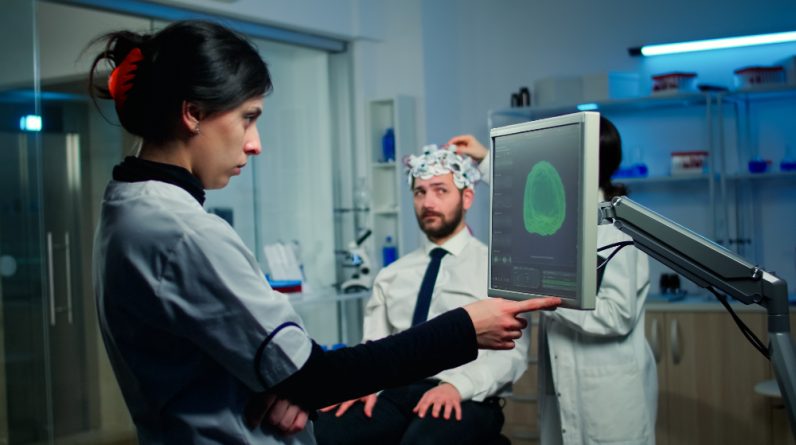
- AI in Healthcare and Medicine: AI has the potential to revolutionize healthcare, from diagnosing diseases to assisting in complex surgeries. AI-powered tools can analyze medical data faster than humans, leading to quicker and more accurate diagnoses.
- AI in Entertainment: From Netflix’s recommendation algorithm to AI-generated content in video games and films, AI is playing an increasingly important role in shaping the entertainment industry. It’s creating personalized experiences for viewers and gamers alike.
The Ethical Implications of AI
With great power comes great responsibility, and AI is no exception.
- Bias and Discrimination: AI systems are only as good as the data they are trained on. Unfortunately, if that data reflects societal biases, the AI can perpetuate and even amplify those biases. This has led to concerns over discriminatory outcomes in areas like hiring, lending, and law enforcement.
- Privacy Concerns: AI systems often rely on vast amounts of personal data to function effectively. While this can lead to more personalized services, it also raises questions about how much data is being collected and who has access to it. In some cases, AI-driven surveillance systems have sparked concerns over privacy invasion.
AI and Employment: A Double-Edged Sword
AI’s impact on the job market is one of the most contentious issues.
- Job Displacement: Automation, powered by AI, is predicted to replace millions of jobs in sectors like manufacturing, retail, and customer service. While machines can perform repetitive tasks more efficiently than humans, this leaves many workers without job security.
- New Job Opportunities: However, AI also creates new jobs, particularly in tech fields like data science, robotics, and AI development. The key challenge is ensuring workers are trained for these new roles.
- Balancing Automation and Human Labor: The key to successful integration of AI in the workforce lies in balancing automation with human skills. Rather than replacing workers entirely, AI can augment human capabilities, leading to more productive and fulfilling work environments.
The Impact of AI on Human Interaction
As AI becomes more integrated into our daily lives, it’s changing the way we interact with each other.
- Social Behavior Changes: AI-driven algorithms influence the content we see on social media, which in turn shapes our opinions and social interactions. These algorithms often promote sensationalized or biased content, leading to increased polarization.
- Emotional AI: Emotional AI, which aims to recognize and respond to human emotions, has raised concerns about its impact on authentic human connections. Can machines truly understand human emotions, or are they simply mimicking empathy?
AI in Creative Industries: Can Machines Truly Create?
AI’s ability to generate art, music, and writing has sparked a debate about creativity.
- AI as a Tool vs. Artist: While AI-generated art can be impressive, many argue that AI lacks the emotional depth and intentionality that human artists bring to their work. However, AI can still serve as a powerful tool for artists to explore new possibilities and push creative boundaries.
AI and Surveillance: Privacy vs. Security
AI is increasingly used in surveillance systems, raising important questions about security versus privacy.
- Surveillance Systems: AI-powered facial recognition and tracking systems are being deployed in cities worldwide. While they can help prevent crime, they also raise concerns about the erosion of privacy rights and the potential for misuse.
The Danger of AI in Decision Making
AI is also being used in high-stakes decision-making scenarios, which can be risky.
- Legal Systems and Policing: AI is being used to assist in legal decisions, from determining bail amounts to predicting recidivism rates. However, relying on AI in these areas can be problematic if the algorithms are not transparent or fair.
- Military Applications: The use of AI in autonomous weapons systems raises ethical concerns, particularly regarding accountability and the risk of AI making life-and-death decisions without human oversight.
Artificial Intelligence in the Hands of Corporations
The power that large corporations have over AI development is another concern.
- Big Tech and AI: Companies like Google, Amazon, and Microsoft are at the forefront of AI development. While they push the boundaries of innovation, there are concerns about monopolistic practices and the ethical implications of AI being controlled by a few powerful entities.
AI and Government: Regulation or Freedom?
As AI grows more powerful, there is a growing call for regulation.
- Government Oversight: Governments are grappling with how to regulate AI. Some argue for strict regulations to prevent misuse, while others worry that overregulation could stifle innovation.
The Fear of AI Taking Over
One of the most popular fears surrounding AI is that it could one day dominate humanity.
- Doomsday Scenarios: While many AI experts dismiss apocalyptic predictions, others caution that AI’s rapid growth needs to be carefully monitored. Could an AI system one day exceed human intelligence and act against our best interests?
AI’s Role in Solving Global Challenges
Despite the risks, AI holds tremendous potential for solving some of humanity’s most pressing challenges.
- Climate Change: AI can help model climate scenarios, optimize energy use, and develop sustainable technologies. By analyzing vast amounts of environmental data, AI can provide solutions to mitigate climate change.
- Healthcare Advancements: AI is already transforming healthcare, with systems that can predict disease outbreaks, assist in drug discovery, and provide personalized treatment options.
Can AI Be Trusted?
As AI becomes more integrated into society, we must ask: Can we trust it?
- Human Dependency: As we rely more on AI systems, we risk becoming overly dependent on them. The question remains: can AI be trusted to act in our best interests, or are we placing too much control in the hands of machines?
Conclusion
Artificial Intelligence has undoubtedly brought about significant changes, from revolutionizing industries to enhancing personal convenience. However, with these advancements come serious ethical, social, and political concerns. While AI has the potential to solve some of the world’s most pressing issues, it’s crucial that we approach its development with caution and responsibility. Whether AI has gone too far is a matter of perspective, but one thing is clear: we must ensure that AI is used to benefit humanity and not to our detriment.
FAQs
- What is Artificial Intelligence? AI refers to machines that can perform tasks typically requiring human intelligence, like decision-making, learning, and problem-solving.
- How does AI impact jobs? AI can displace some jobs but also create new opportunities, especially in tech fields.
- Is AI safe to use? While AI offers many benefits, there are concerns regarding privacy, security, and bias, which must be addressed.
- Can AI make creative decisions? AI can generate creative content, but it lacks the emotional depth and intentionality of human creators.
- What are the ethical concerns of AI? Ethical concerns include bias in AI algorithms, privacy issues, and the potential for misuse in surveillance and decision-making.